The Psychology of the Digital “Stamp”: Why Gamification Works
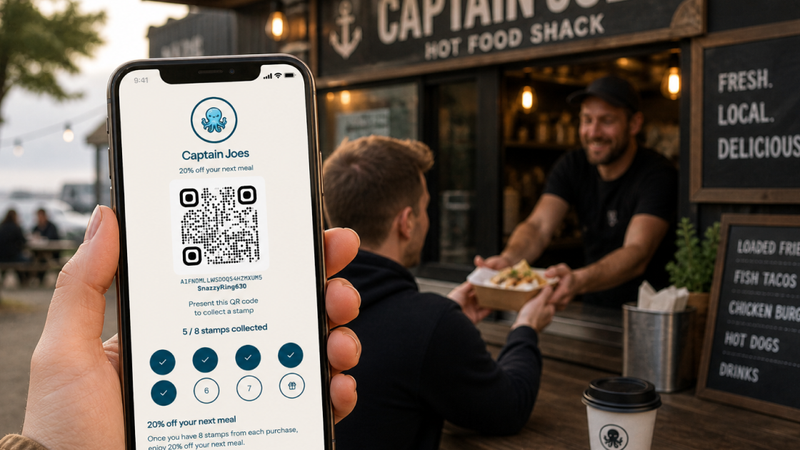
In the world of loyalty, something as simple as a digital stamp can quietly become one of the most powerful tools a business has. On the surface, a Loytu stamp card looks straightforward: a small icon, a progress bar, a quick animation. But underneath, it leans on a set of psychological drivers that shape when people return, how often they visit, and how emotionally connected they feel to your brand.
By understanding four core ideas - what people want, what they believe, what pressures them and how they see themselves - we can design digital stamp‑based loyalty programs that feel engaging, meaningful and human.
What People Want: The Role of Reward
At the heart of any stamp‑based loyalty system is reward: anything the person actually wants. Each stamp is a visible step toward a benefit, like free coffee, a discount, a free service or an exclusive perk. That progress triggers the brain’s reward system, sending out small bursts of dopamine that reinforce the behaviour and make the customer more likely to come back.
When a digital stamp card clearly shows “3 of 10 stamps completed,” it turns a casual visit into a clear journey. The brain likes finishing things and collecting milestones, so the more visible and concrete the goal, the more likely the customer is to push through to the end.
What People Believe: Ideology and Values
Even more powerful than a single reward is what the person believes. When a digital stamp card is tied to values the customer cares about, such as supporting local businesses, sustainability or community, each stamp becomes a small symbol of that belief. Instead of “Collect 10, get 1 free,” the message quietly shifts to “Every visit supports the neighbourhood,” which makes the stamps feel like acts of alignment, not just transactions.
Loyalty programs that feel meaningful, where the brand story is clear and the customer feels part of it, tend to see higher engagement and stronger emotional attachment. When people see their values reflected in how they earn and use stamps, the interaction stops feeling like a discount scheme and starts feeling like a shared mission.
How Pressure Shapes Behaviour
Even in loyalty, there is a subtle form of pressure at play, but it is possible to use it in a way that feels motivating rather than manipulative. Digital stamp cards can nudge people with gentle reminders.
Phrases such as “You’re just 2 stamps away from your reward,” “Don’t lose your progress” or “You’re almost there” tap into the goal gradient effect. People tend to get more motivated as they get closer to completing something, and they also dislike losing progress they have already built up.
When designed with transparency and respect, this pressure can increase retention and completion without turning into guilt or pressure tactics. The key is to make the nudge feel like a helpful reminder, not a demand.
How People See Themselves: The Role of Ego
Every stamp is also a small reflection of how the person sees themselves. A digital card can quietly signal identity, such as “I’m a regular,” “I’m part of this community” or “I know this place better than the average customer.”
When a loyalty program includes tiers, badges or milestone labels, the customer is not just collecting stamps; they are shaping their identity as a loyal supporter. Seeing that status reflected in the app or wallet, with labels like “VIP,” “Collector” or simply “10‑time visitor,” reinforces the human need to feel recognised and valued. That sense of identity can be more motivating than the reward itself.
Why Digital Stamps Work Better Than Simple Discounts
Digital stamp cards are not just paper cards moved onto a screen. They are tools that shape behaviour over time.
Progress is visible in real time, so the goal stays in the customer’s mind. Notifications and reminders nudge them when they are close to a reward, which dramatically increases the chance they will finish the set. And because there is no physical card to lose, customers never lose their progress, which removes a major frustration point in traditional loyalty programs.
As a result, digital stamp systems tend to drive higher retention, more frequent visits and a stronger emotional bond with the brand than simple one‑off discount coupons. The difference is that the customer feels like they are building something, not just swapping a code.
Designing Ethical, Effective Gamification
Gamification can be used to encourage compulsive behaviour, but it can also be designed with respect, clarity and user control. The most effective digital stamp programs make rewards meaningful, not just flashy. They align with the customer’s values and lifestyle, and they use pressure and reminders in a way that feels empowering rather than shaming.
They also give users agency over their journey: how they collect stamps, when they redeem and whether they share their progress. When customers feel in control, the experience feels supportive, not exploitative.
The Digital Stamp as a Personal Story
At its core, the digital stamp is a storytelling device. Each stamp is a small chapter in a larger story of loyalty, belonging and routine. When designed with the right balance of reward, belief, pressure and identity, that story becomes deeply personal and more valuable than a one‑time discount.
For small businesses using platforms like Loytu, understanding this psychology is the key to turning casual visitors into loyal regulars. A thoughtfully designed digital stamp card does not just track visits; it nurtures relationships, one tap at a time.