Your Customers Haven’t Stopped Spending. They’re Just Choosing More Carefully!
Customers haven’t stopped spending. But earning their next purchase may be getting harder.
For small businesses, it can be easy to look at a quieter diary or a slower week and conclude that customers simply are not spending anymore. The latest UK data paints a more nuanced picture.
Official figures from the Office for National Statistics show that inflation-adjusted household spending grew by 0.3% in the second quarter of 2026 and was 1.2% higher than a year earlier. Retail sales volumes were also 2.4% higher in August 2026 than in August 2025.
In other words, money is still moving through the economy. That does not mean every household feels comfortable, or every sector is benefiting equally. It does suggest that the challenge for many businesses is not simply whether customers will spend, but where they decide that spending is worthwhile.
Customers still have choices
PwC’s August 2026 consumer survey found its sentiment index had risen to +1, up from -13 in April and its highest level in five years. Household finances in the survey were also at their strongest in four years.
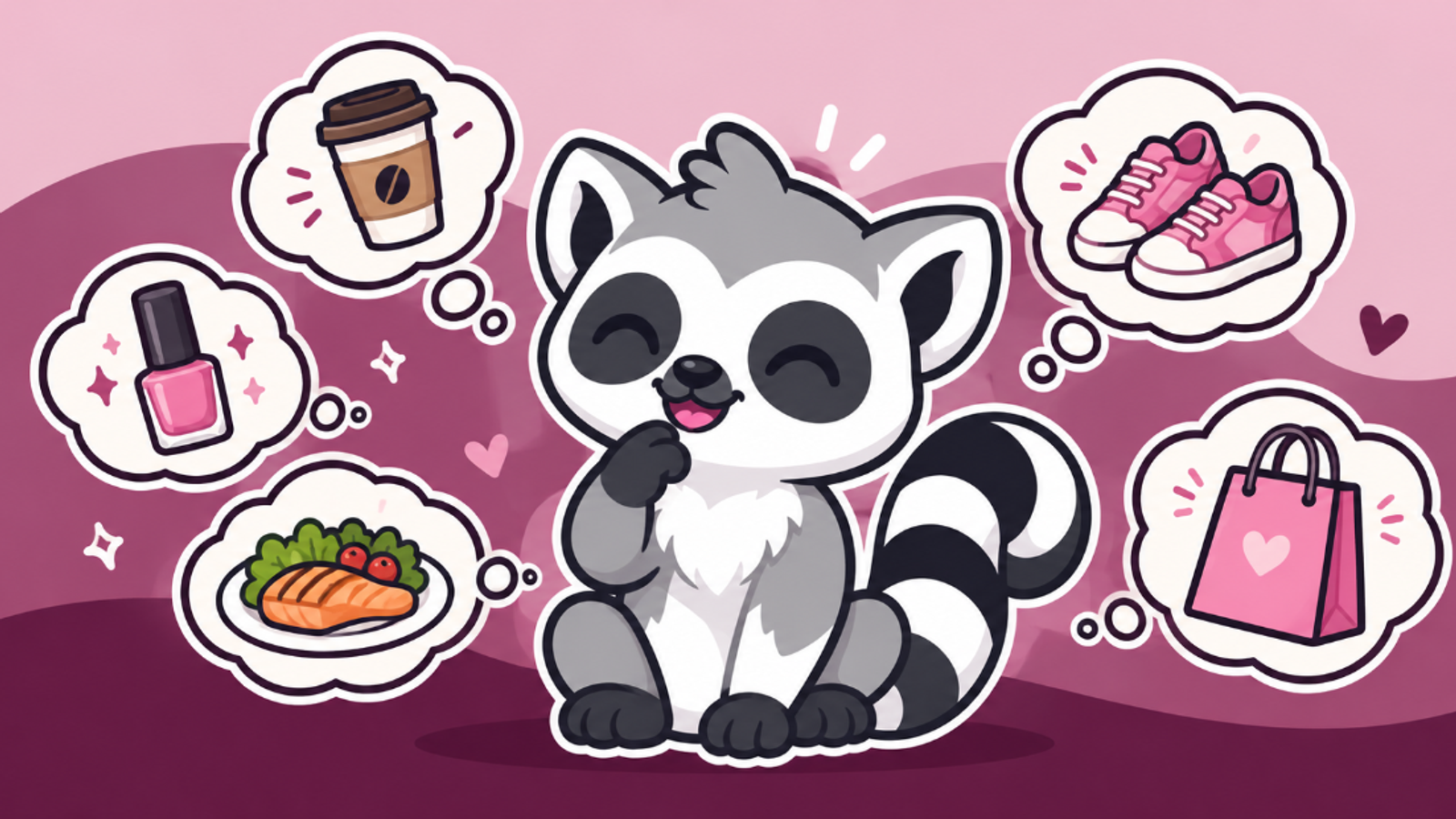
That is encouraging, but improving confidence does not remove competition for a customer’s attention. A haircut competes with another salon, but it can also compete with a meal out, a new pair of shoes or simply keeping the money in the bank.
For an independent business, that makes the existing customer relationship particularly valuable. Someone who has already visited you does not need to discover who you are from scratch. They have already made the first decision to trust your business.
Value does not have to mean being the cheapest
When customers become more deliberate about spending, the obvious reaction is often to discount. Sometimes a promotion is exactly the right tool. But competing only on price can make it harder to protect your margin and gives customers a reason to compare you with whoever is cheapest next time.
Value can mean something broader: a consistently good experience, convenience, recognition, progress towards a reward, a useful extra, or simply feeling that a business appreciates repeat custom.
A nail technician might reward repeat appointments with an upgrade rather than cutting the price of the core service. A café might make the tenth coffee free. A dog groomer could reward a regular cycle of visits with an add-on. The customer gets something tangible without every transaction becoming a discount.
The next visit matters
For many small businesses, a small change in visit frequency can matter enormously. A regular customer stretching a four-week routine to six weeks does not look like a lost customer. Across a large customer base, however, those extra weeks create gaps.
That is why retention is not only about preventing customers from disappearing completely. It is also about staying relevant enough to be chosen again when the next purchase decision arrives.
A loyalty programme can make that next decision visible. Instead of a customer seeing each visit as an isolated purchase, they can see that returning moves them towards something. The reward provides an incentive, but the sense of progress can also keep the relationship present between visits.
Build around the behaviour you actually want
The strongest loyalty programme is not necessarily the one with the biggest reward. It is the one designed around the behaviour that matters to the business.
If customers are visiting less frequently, reward consistency. If quieter weekdays are the problem, create a reason to visit then. If the first-to-second visit is where customers disappear, make the first reward achievable quickly. If your regulars already visit reliably, use milestones to recognise them rather than discounting every purchase.
This is also where digital loyalty can be more useful than a generic promotion. A programme can keep the incentive attached to an individual customer journey, rather than broadcasting the same price cut to everyone.
Retention deserves a place alongside acquisition
New customers still matter. No business can rely forever on exactly the same group of people. But acquisition and retention should work together.
If you spend time and money winning a customer once, there is real value in giving that person a reason to make a second, third and fourth choice in your favour.
The current UK figures are a useful reminder not to confuse cautious or selective spending with no spending at all. Household expenditure and retail volumes have continued to grow, even while individual businesses and customers experience very different pressures.
So if trade feels slower, the question is not only: “How do I find more people?” It is also: “How do I make my business easier to choose again?”
That is the problem loyalty is designed to help solve.
How Loytu fits in
Loytu lets small businesses create digital loyalty programmes that customers can keep on their phones, including through Apple Wallet and Google Wallet. Businesses can set their own milestones and rewards, while customers can see their progress without carrying another paper card or learning another app.
The aim is simple: give a customer who already likes what you do one more reason to choose you the next time they are ready to spend.